Bed Bath Wipes: A Convenient No-Rinse Freshen-Up
Decide what support is appropriate
A no-rinse body wipe may be useful when bathing is temporarily difficult, during travel, or as one part of a caregiver-supported routine. It does not replace an individual care plan or clinical advice. Choose a product intended for the body and check the label for whether rinsing is required, which areas it is suitable for, and any warnings. If the person has fragile skin, wounds, pain or a medical condition, ask their clinician or care team what products and methods are appropriate.
Prepare for comfort and dignity
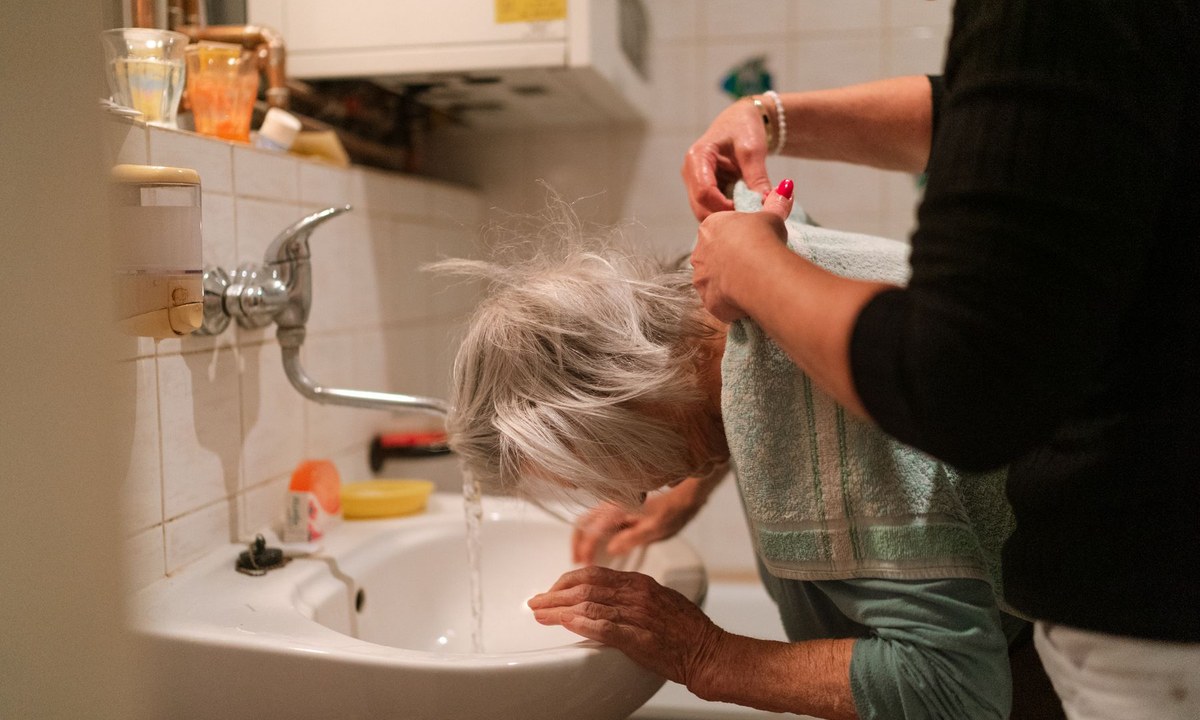
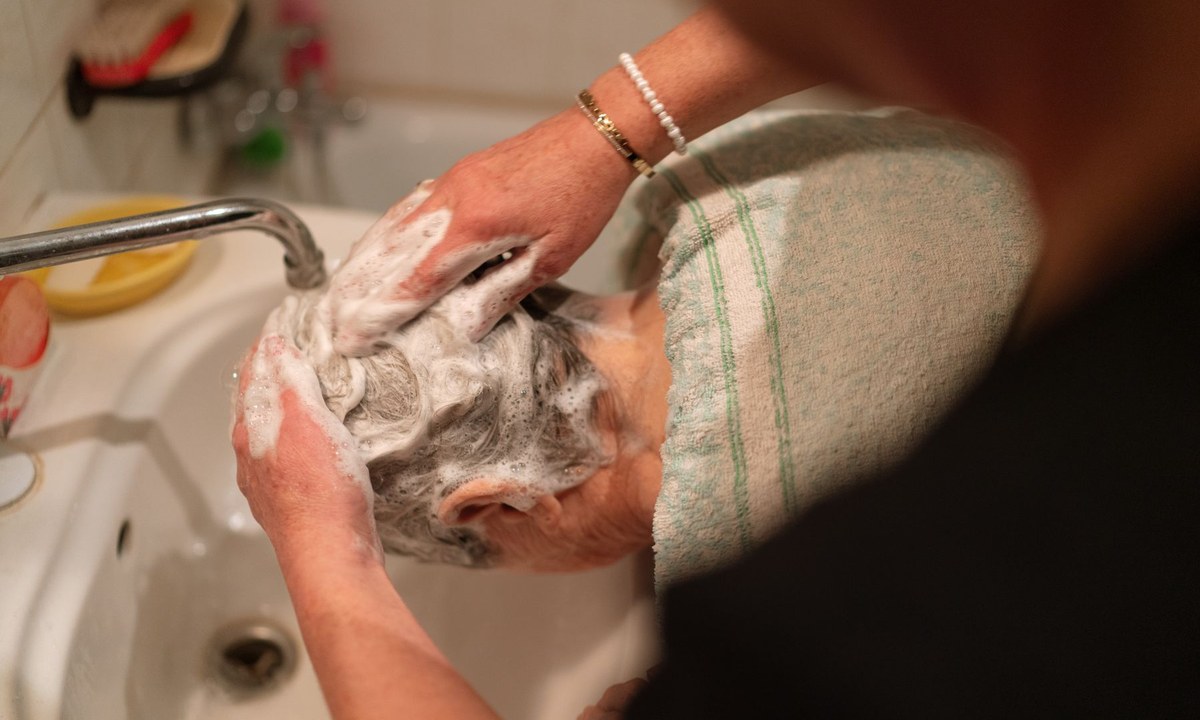
Before starting, gather wipes, clean clothes, towels and a disposal bag so the person is not left cold or uncovered while supplies are fetched. Explain what you are doing, ask permission, offer choices and encourage the person to do any steps they can safely manage. NHS care guidance emphasizes dignity, privacy and following the person’s preferences when helping with washing.
Work gently and methodically
Keep the room warm and expose only the area being cleaned. Follow the wipe directions and use a clean wipe or clean section as directed; avoid spreading soil from one area to another. Be gentle around folds and sensitive areas, and use only products specifically intended for those areas. Pat the skin dry if the label or care plan calls for it, and apply any prescribed skin care exactly as instructed.

Know when to ask for help
Pause if the person feels cold, tired or uncomfortable. Stop and seek care-team advice if you notice a new wound, worsening redness, pain or a skin problem. Place used wipes in a bin and never flush them. If you are unsure how to move someone safely, ask a trained professional rather than risking a fall or injury.

Loading comments…