Hand Hygiene On the Go: Small Habits That Help
Read the label, not just the pack front
A compact product in your bag can help when a sink is not nearby, but it is useful to know what it is designed to do. Ordinary baby or personal-care wipes are not necessarily hand sanitizers. CDC says baby wipes are not designed to remove germs from hands and do not reliably do so. A wipe labelled for hands may remove visible soil, but do not assume it disinfects unless the label makes that claim and gives directions.
Make handwashing the first choice
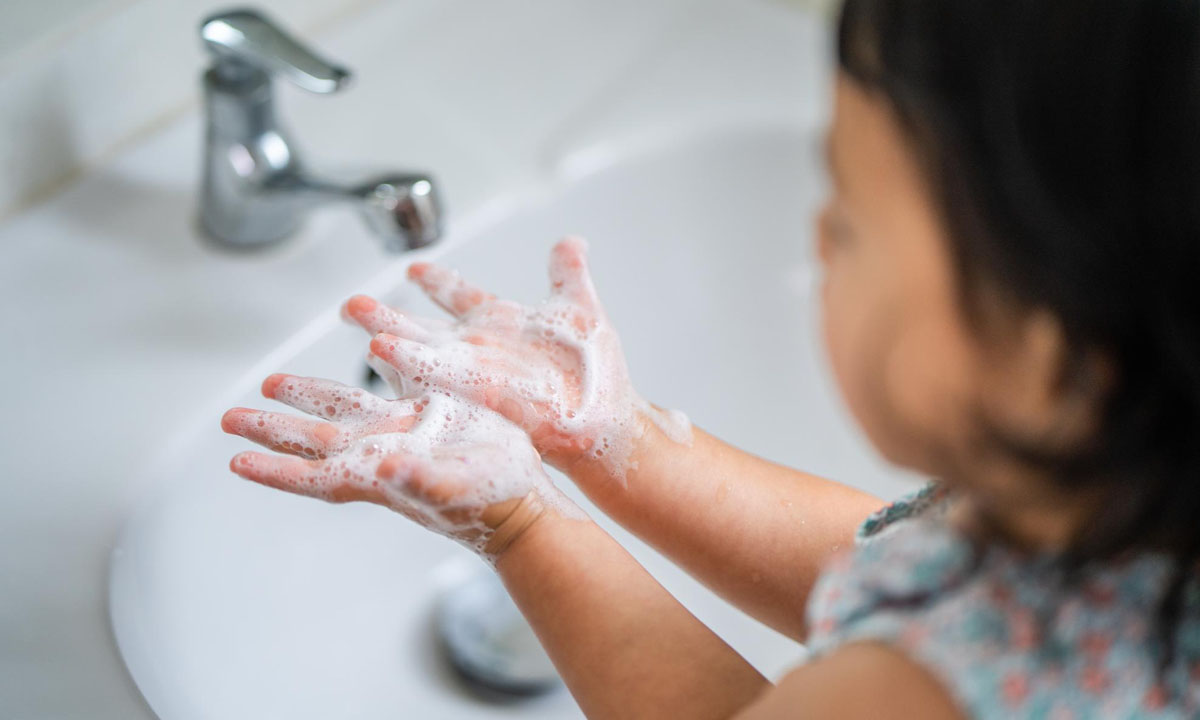
In community settings, CDC recommends washing with soap and clean running water, particularly when hands are visibly dirty or greasy. Wash before preparing or eating food, after using the toilet, after handling garbage, and after activities that leave soil on hands. Cover palms, backs of hands, between fingers and around nails, then dry with a clean towel or let them air dry.
Use sanitizer only as directed
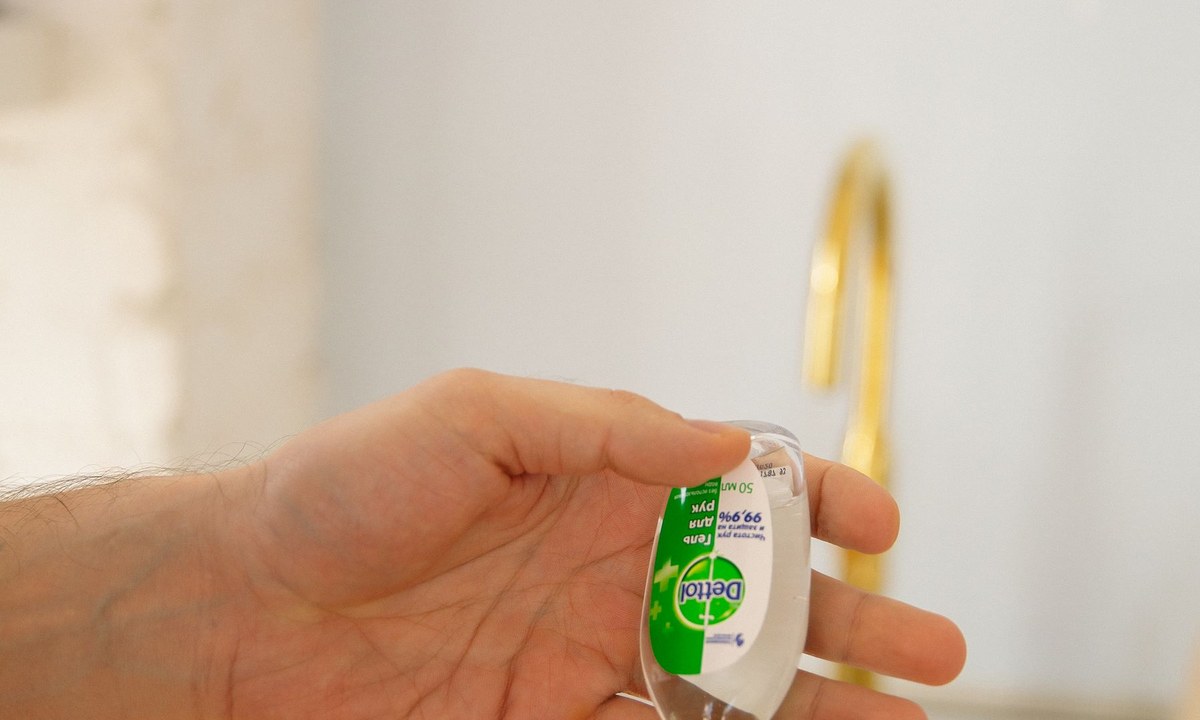
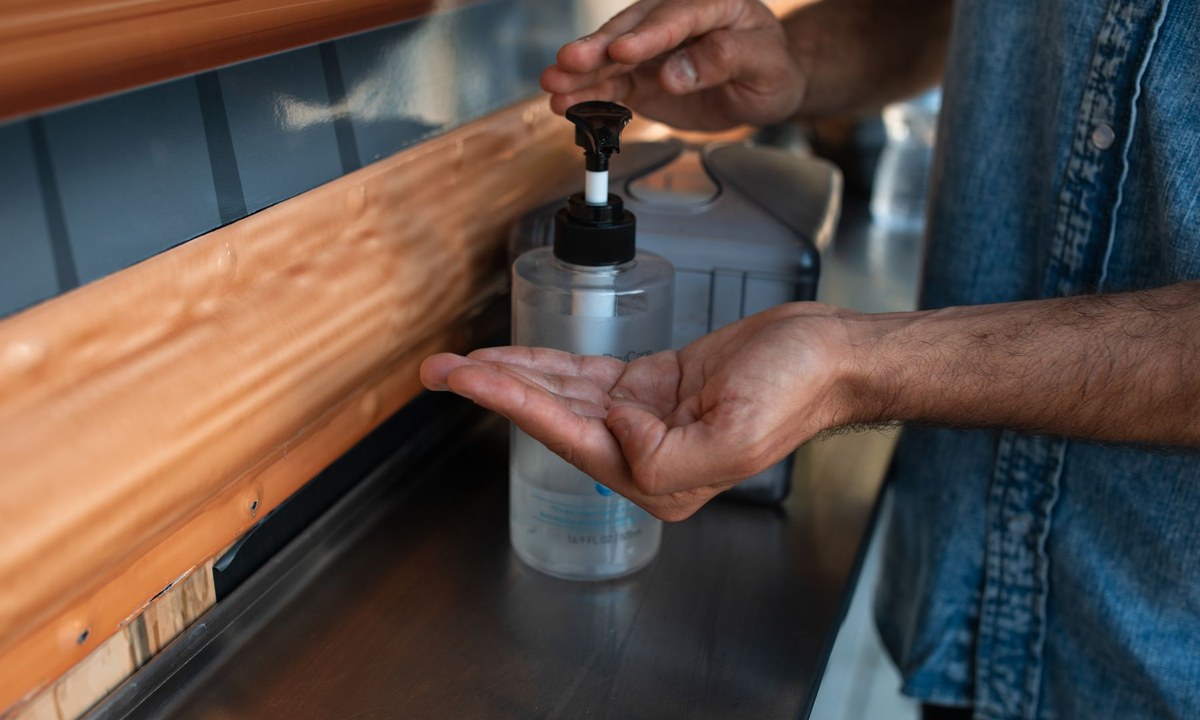
If soap and water are not readily available, CDC recommends an alcohol-based hand sanitizer containing at least 60% alcohol. Use enough to cover all hand surfaces and rub until dry, following the product label. Sanitizer is less effective when hands are visibly dirty or greasy and does not remove every kind of chemical or contaminant. A wipe can help with a quick clean-up, but it is not an equivalent substitute for sanitizer or a handwash.
A small kit, used correctly
Keep a small kit accessible but protected from leaks and heat as directed on the package. Do not refill or mix products, and avoid using surface disinfectant wipes on skin. If frequent cleansing causes ongoing irritation, seek advice from a health professional and follow the directions for the product you use.

Loading comments…